By Kevin
By Kevin
By Kevin
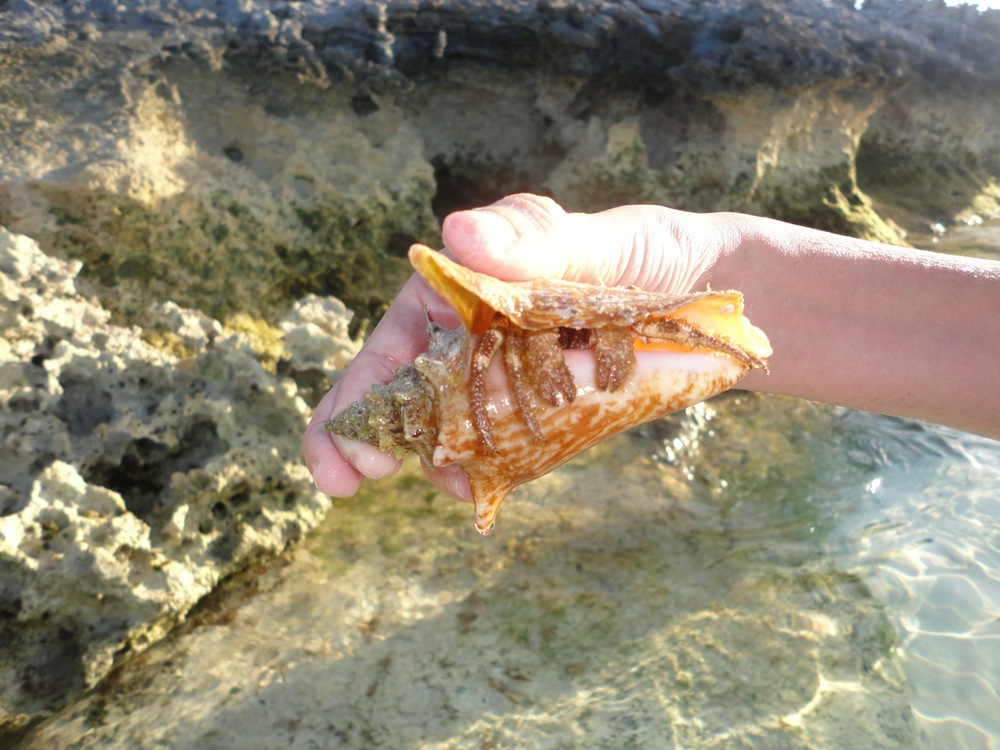
The queen conch must be the national dish of The Bahamas. (The name rhymes with honk.) The locals eat conch a multitude of different ways but the most popular seem to be conch salad (similar to ceviche), scorch conch, cracked conch, conch chowder, and conch fritters.
Conch are simple animals who produce, and live in, beautiful shells. They are peaceful little critters who live on the ocean bottom, eating vegetation. But, many people think they taste awefully good, proven by the mighty piles of conch shells laying around any Bahamian settlement–some piles are more than 5 feet high.
By Kevin
By Kevin
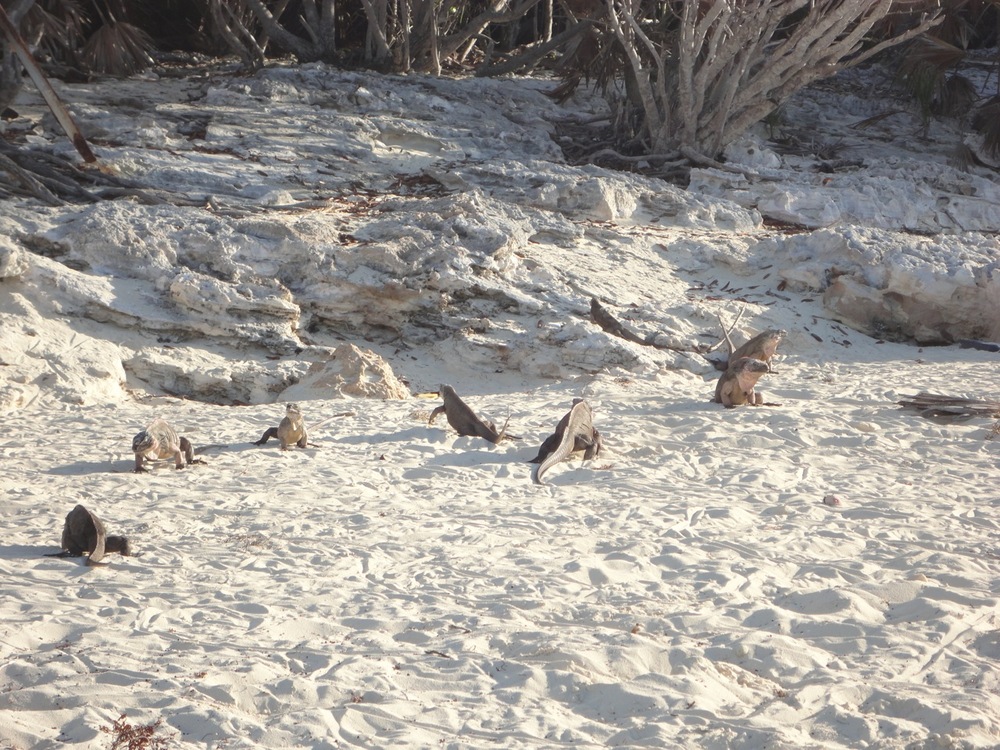
On January 2nd, 2013 at 8 am in the morning we raised our anchor at Rose Island and set a southeast course for the Exumas island chain 30 miles away.
Our pattern for doing sea legs has become: listen to the Chris Parker weather from 6:30-7:00 am; make a final go/no-go decision for the day; tidy up both down-below and on-deck; raise the dinghy onto the stern davits; pack food and water bottles appropriate for the leg; raise anchor (with me working the windlass and Jennifer on the helm; and, head out.
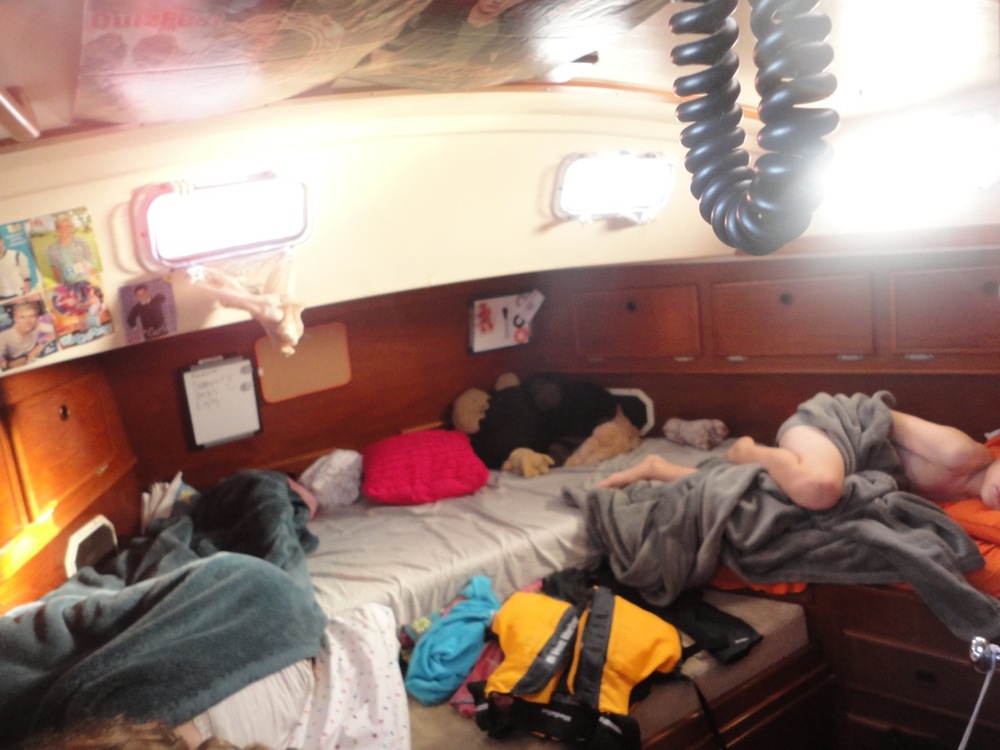
Typically the kids are both asleep when we leave. We lay out their life jackets and harnesses on the salon seatee and when they wake up they peak their heads up into the cockpit to see where we are. Occassionally, though, the motion is so smooth that they don’t realize we are sailing. This trip was one of those days.
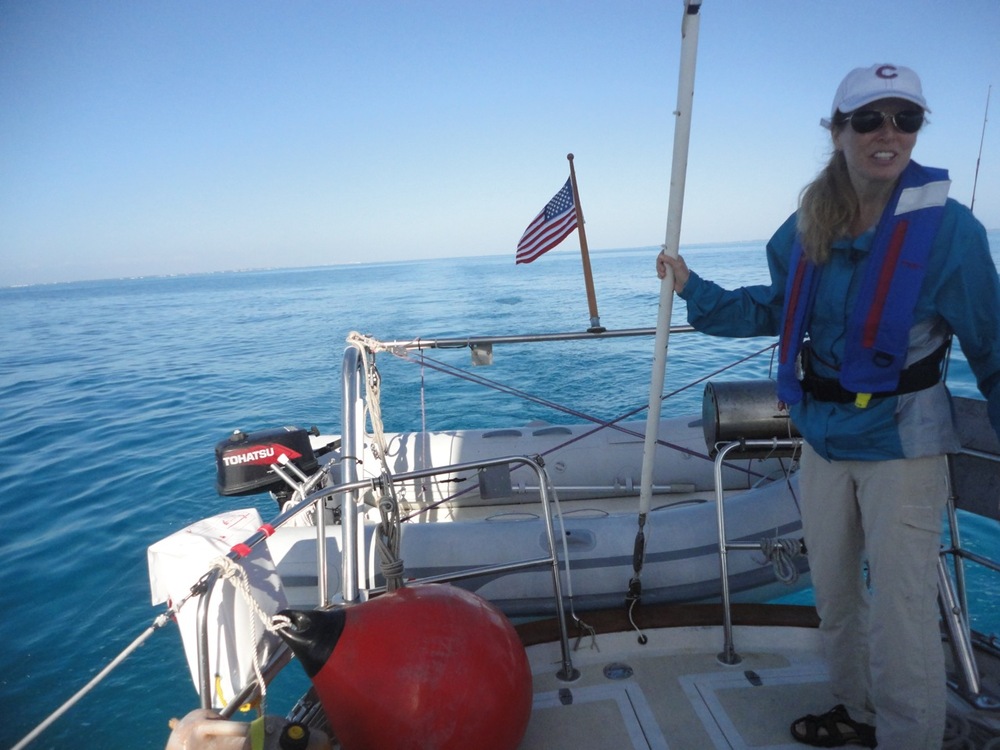
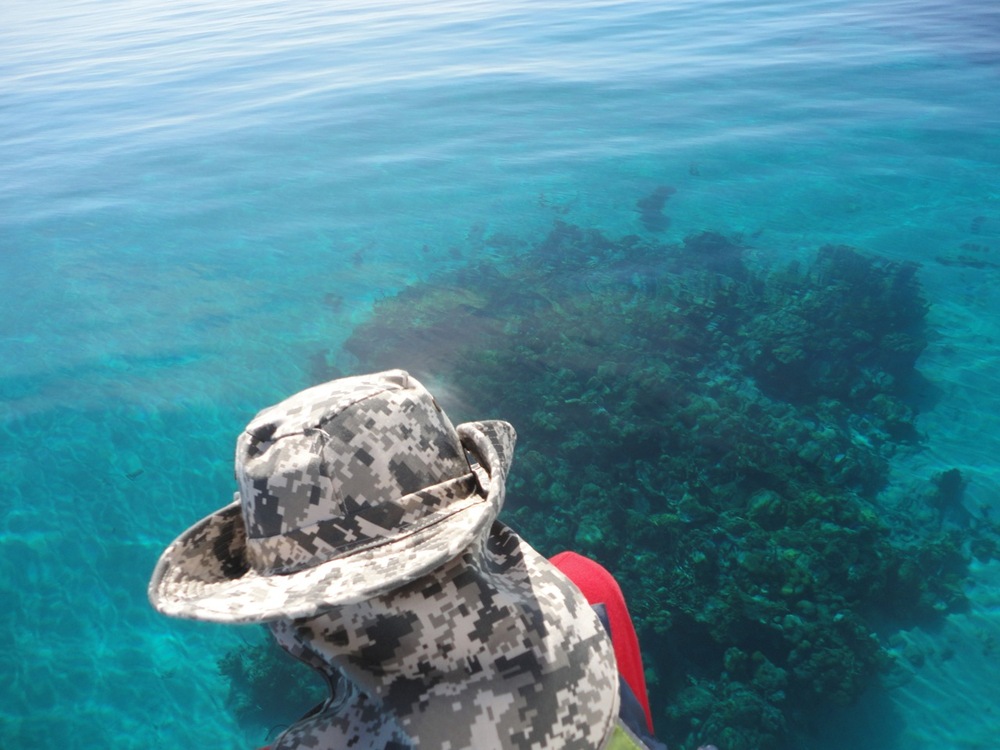
We had a 30 mile sail ahead of us on the Bahama Banks, which averages only 20 feet of water. It was so glassy calm that we could see individual fish, coral, and marine life at the bottom even while traveling along at 5 knots.
About halfway in-between Nassau and the Exumas is the Yellow and White Banks. These are areas strewn with coral heads. Some are massive and lay just under the surface of the water awaiting the keels of unaware boats. Since our course took us over the southern end of the Yellow Bank, we stationed Madeline and Zach, one on each side of the bow, as lookouts for the 90 minute sail through this dangerous area.
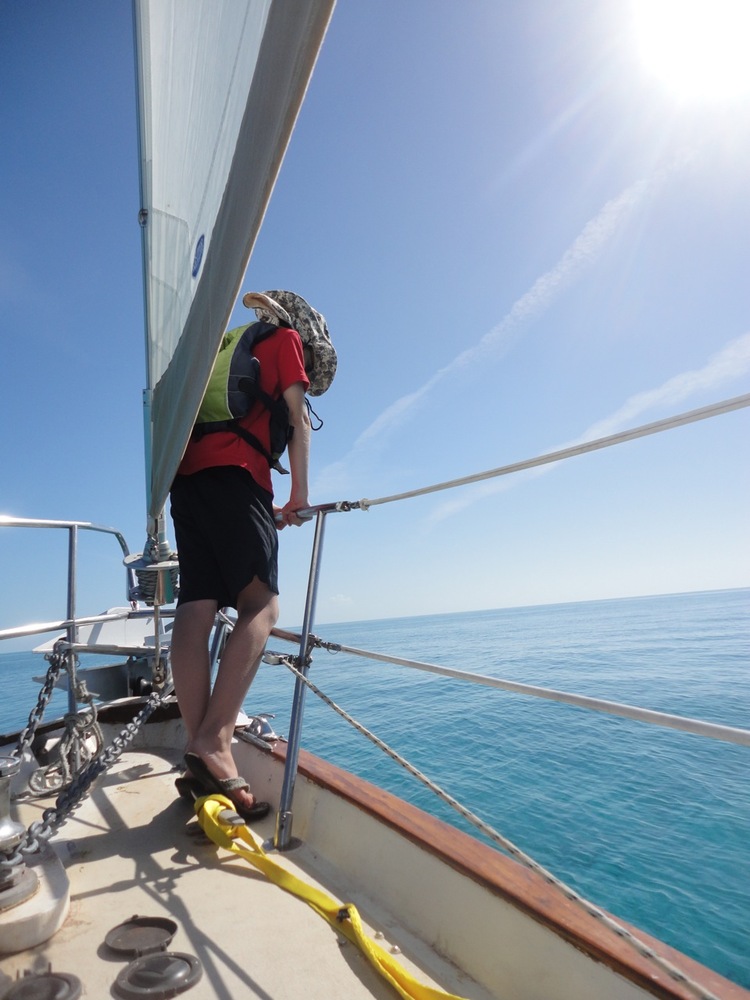
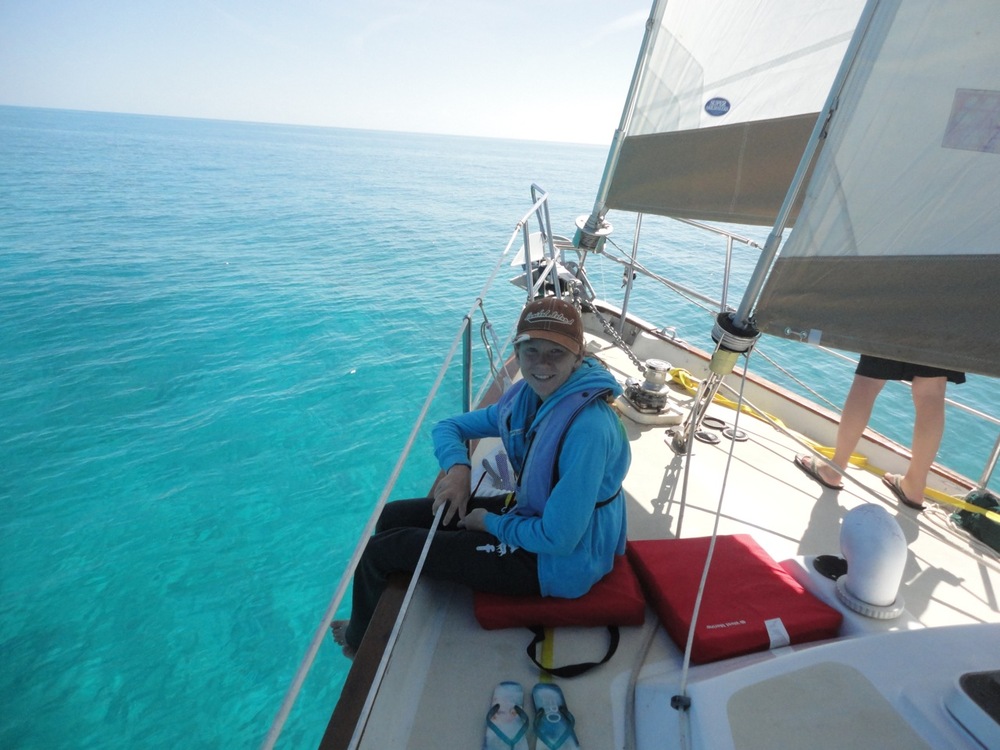
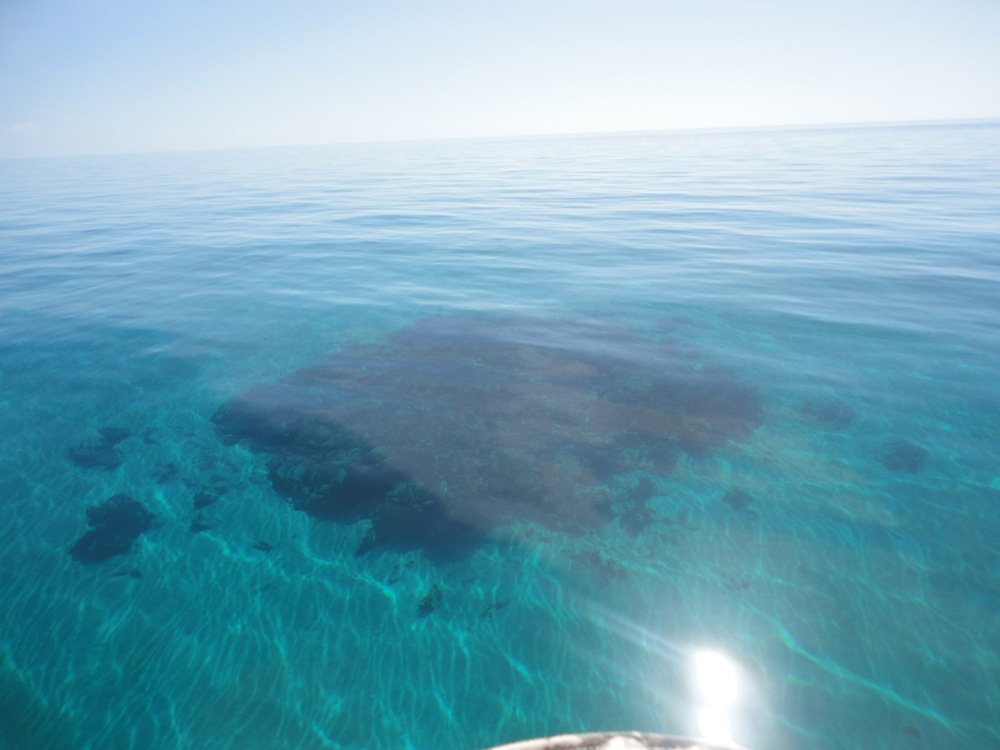
They were on the lookout for what appears to be an oil slick. Black, splotchy water. This is the tell-tale sign of a coral reef sitting under the surface. Usually they are harmless, sitting 10 or more feet deep. But, there are a few that will get you, such as this one that we passed over just a little too closely.
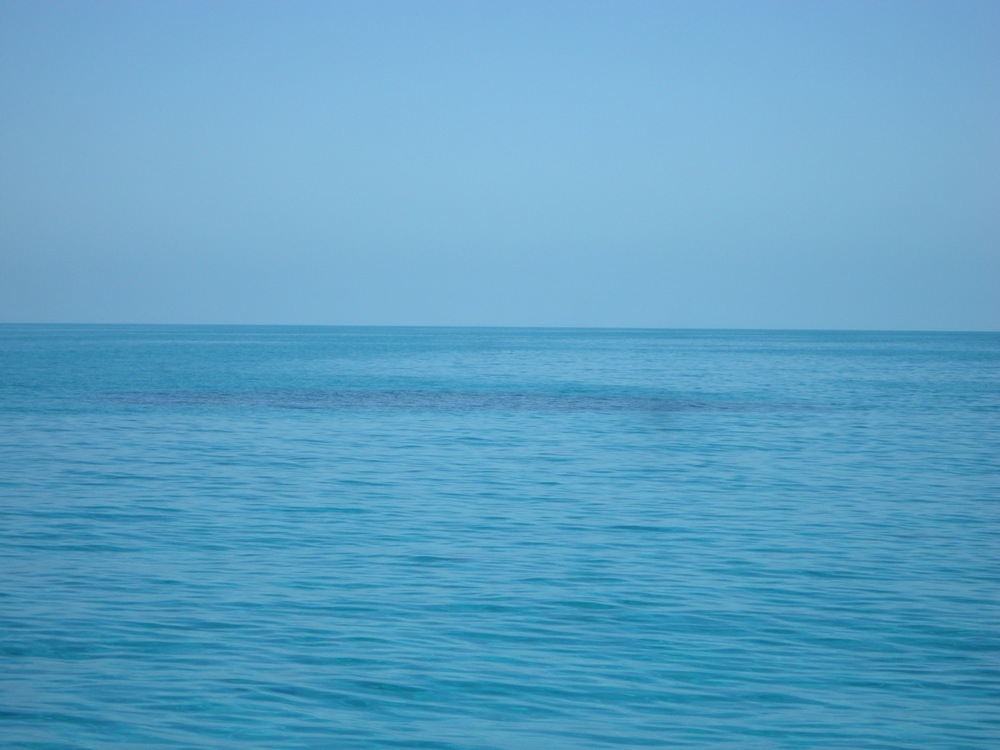
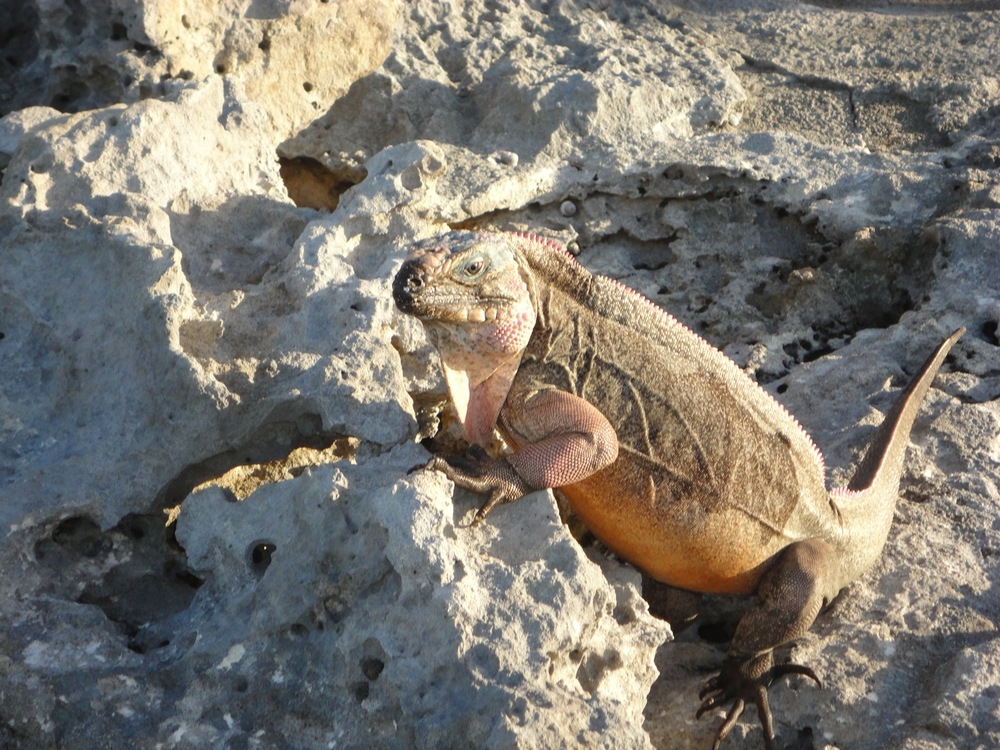
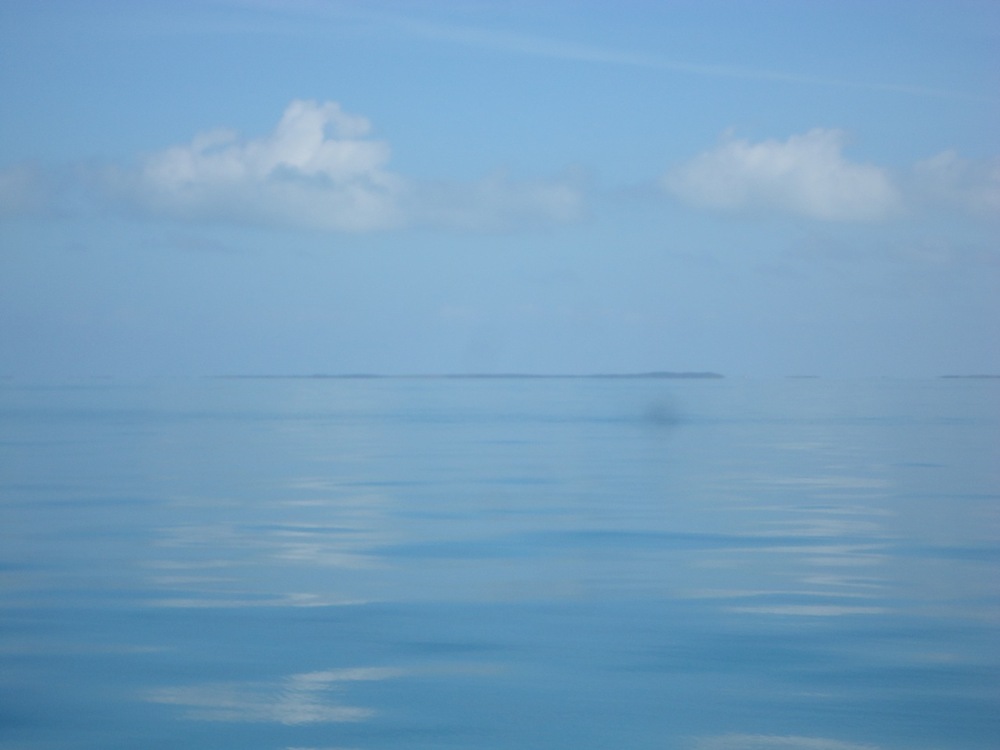
We avoided the coral heads and made good time with the diesel engine and mainsail. We spotted Allens Cay–Land Ho–at 2 pm and were anchored in the nicely protected cove by 3 pm with 8-10 other boats nearby.

By Kevin
After months of searching and several near misses, Zach caught his first mahi-mahi outside Nassau.
Mahi-Mahi are known as the best eating sport fish in the Bahamas. But, many sailors go seasons without catching one. They tend to be 5-20 pounds and spirited fighters. They may jump out of the air when on the line and “tailwalk” across the water. It was a treat for us to watch Zach catch one just as we were pulling into Nassau after our full day sail.
(Warning: The last half of the video is a bit graphic, so sensitive viewers be careful.)
By Jennifer
Coconut Grove Sailing Club marina, Miami — Kevin and I were sitting quietly in the cockpit this morning when a family of dolphins took us by complete surprise. You can actually see the dolphin swimming underwater on his back — he is chasing down a school of fish. Just one of those moments…
This was absolutely one of the places I have been wanting to visit while here in Florida. My mission was to spot an alligator in the wild. Everglades National Park is HUGE– it takes up most of south Florida. After a bit of research I learned that one of the best trails to view alligators was about 45 minutes away from Fort Lauderdale. So after our overnight in South Beach we drove inland to an entrance to the everglades. The trail we followed is called Anhinga, named after a swimming bird that populates the area. In the slideshow, keep a watchful eye for the gator pics. I can tell you that they were so close to the trail we could have reached out and pet them. At one point, I was crouching down on the trail taking a photo of an alligator from behind when another tourist came up to me and told me that there was another alligator right behind me. As I slowly turned around I realized he was inches from my behind! In the slideshow, that particular alligator is the one with only his eyes and head peeking out. Nevertheless, I got my behind out of there! Also, enjoy the video footage of an Anhinga in action. This Anhinga was delightful spearing fish with it’s beak and then tossing the fish in the air and swallowing them whole. We tried to get the whole action on video, but what you’ll mostly see is the Anhinga swallowing his meal. Enjoy!
 S/V Real Life