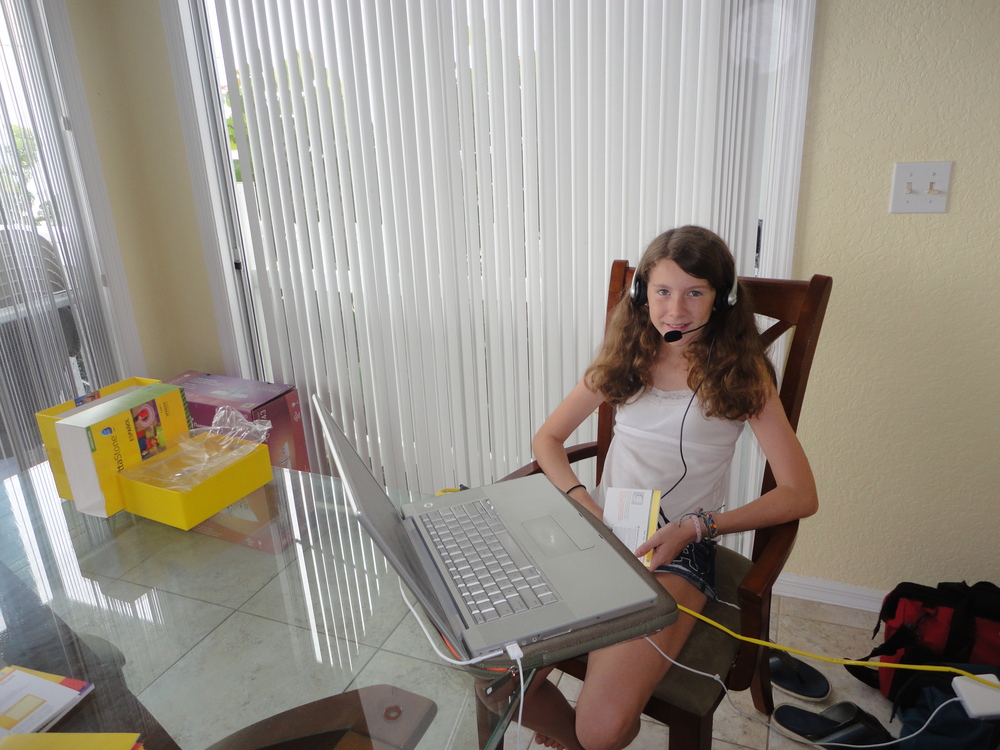
4th Grade Geography Class

By Kevin

Dsc02522

We’ve been happy with the homeschool curriculum we’re using from Calvert. But, one of the benefits of homeschooling on a sailboat is that we have nearly innumerable opportunities to expand and modify both of the kids’ studies.

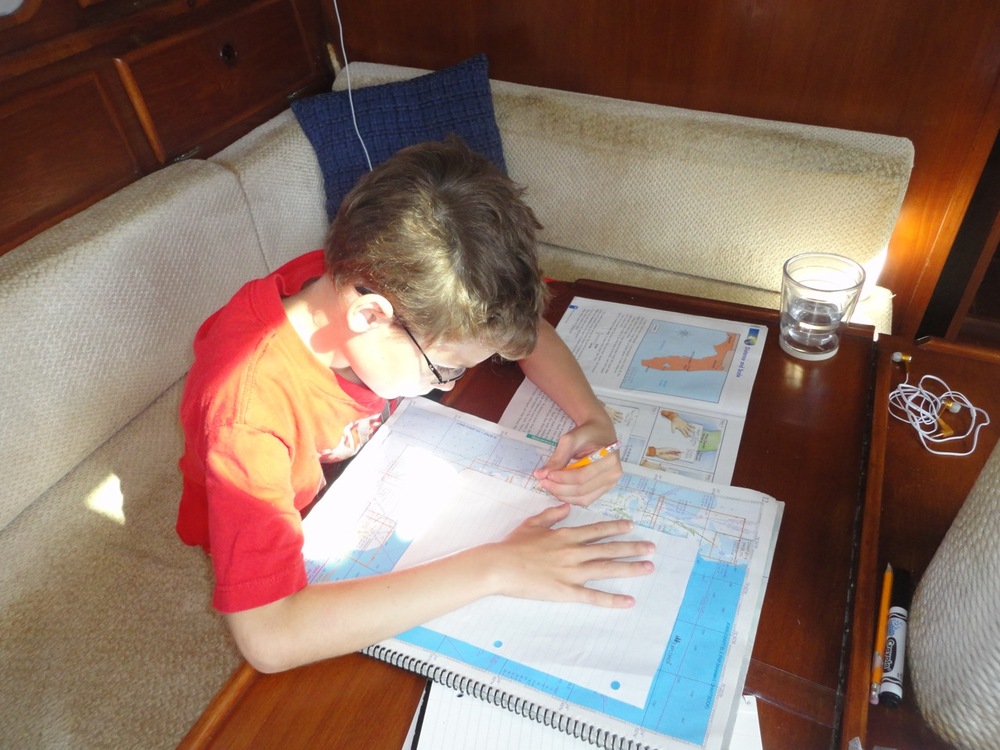
For instance, Zach in 4th grade is studying maps. Cardinal, ordinal and relative directions, how to measure distances, etc. When we get done with one of these lessons in his workbook, I pull out the nautical chart that contains our current location and we put his newfound knowledge to work on the real chart. He might measure the distance to our next destination or he might use a compass and parallel rule to plot out an actual route.

Yachting for Tokens

By Kevin

“Yachting for Tokens” is a little video game that Zach and I created over the past few days. In it, you helm an oldtime schooner looking for the mythical and elusive Arcade Tokens. Watch the white wind indicator and watch out for the islands!

(Design notes: The game was written using MIT’s Scratch programming language. It is designed to demonstrate how the wind angle affects a sailing ship. Remember, yachts cannot sail directly into the wind. So, if you want to go in the direction from which the wind is blowing, you must tack back and forth to make progress. Also, for this particular pixel yacht a beam reach–a 90 degree angle to the wind–is the fastest point of sail. All other points are slower in the game.)

Scratch Project

Our first month of homeschooling

By Kevin

We left Chicago on August 20th and now on September 28th, we are looking back at our first month of homeschooling.

In short, it is hard work. And, very rewarding.

We are able to direct the education of our children and be there with them as they are learning, questioning and exploring.

Dsc01392Dsc01393

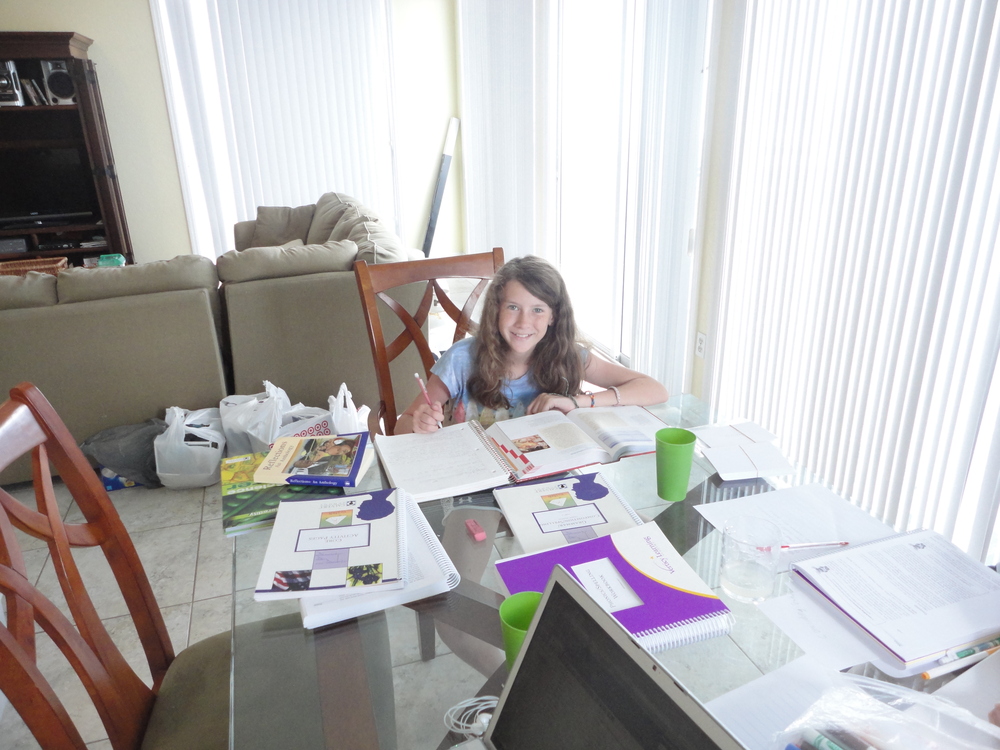
For the first two weeks of school we were at our vacation house in New Smyrna Beach, Fl. The last 3 weeks we’ve been living in two different extended stay hotels in the Fort Lauderdale area. But, no worries. So far, the kids have adapted to whatever locale we are teaching in.

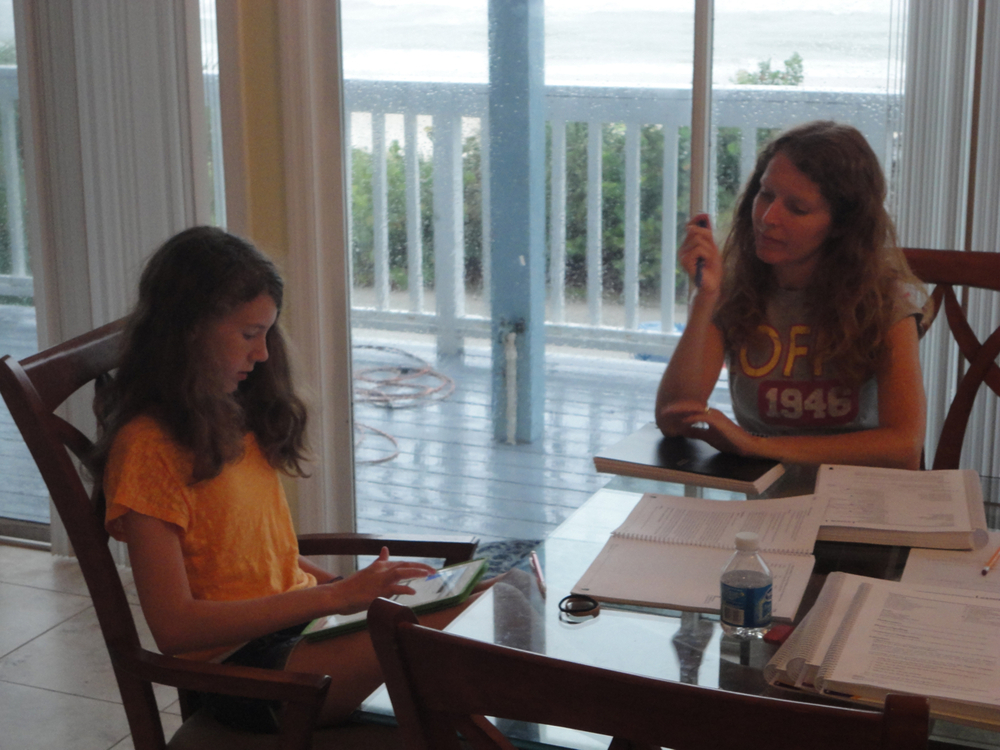
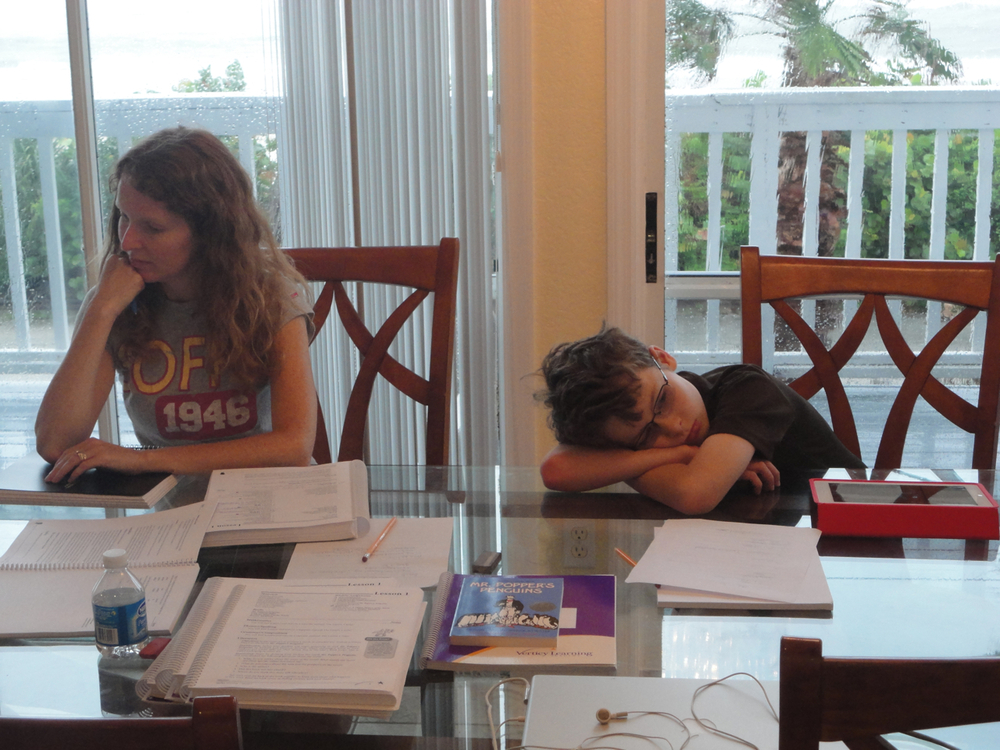
School starts promptly at 8 AM every morning. I teach math, science, history, geography and “choice time.” Choice time is a montessori-esque half hour each day. At the beginning of the week, I ask them to think up their own curriculum for that week, with some clear objective. For instance, writing and producing a short video, learning about hermit crabs, programming a computer game, etc. Each week, the subject changes based on their interests.

On Wednesday there is also a half hour chess lesson!

My teaching wraps up at 11 am each morning. Then, after a quick snack, Jennifer takes over. She teaches phonics, spelling, grammer, vocabulary, composition, literature, Spanish and IRA. IRA is the “independent resource activity.” Actually that isn’t what it means but that sure sounds official. (It doesn’t actually stand for anything.) But, IRA time is the last session of the day and is like a study hall where the students can complete any outstanding homework from earlier lessons.

So far, school has been wrapping up between 2-3 PM every day.
Choosing a homeschool curriculum

By Kevin

When we were researching this sabbatical and the homeschooling options available, two programs kept rising above the rest, at least for our needs.

The first program was K12. Though we felt the program was strong, and the online student community impressive, it wouldn’t work for us. Unfortunately, the bulk of the curriculum is conducted online. We will have spotty access to the internet–sometimes going a week or more without high-speed access.

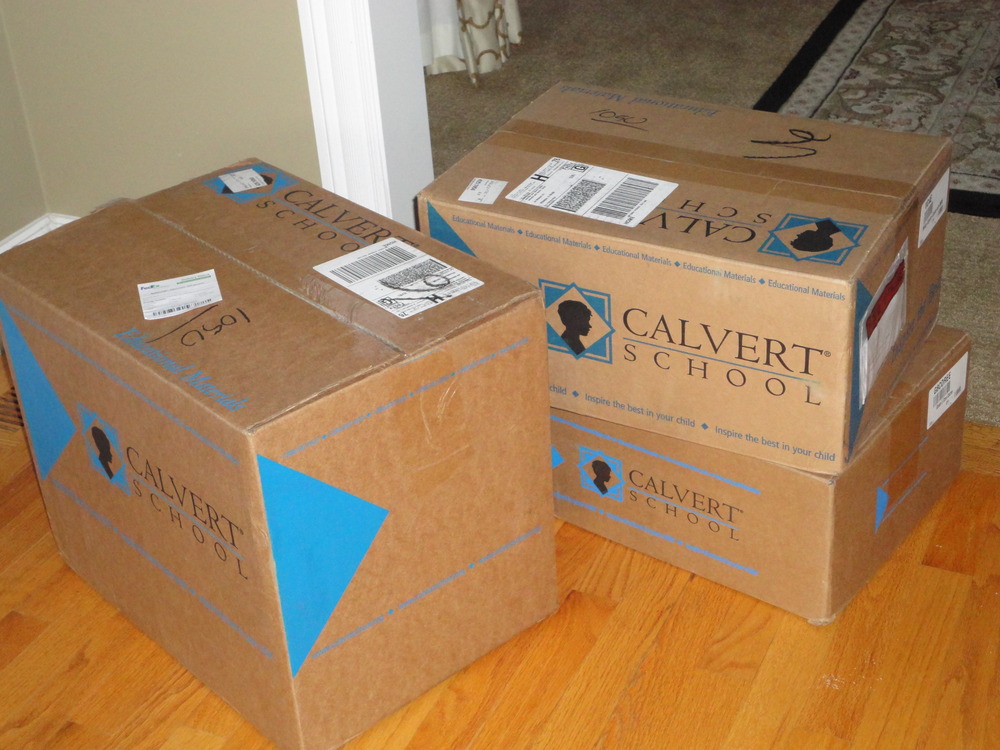
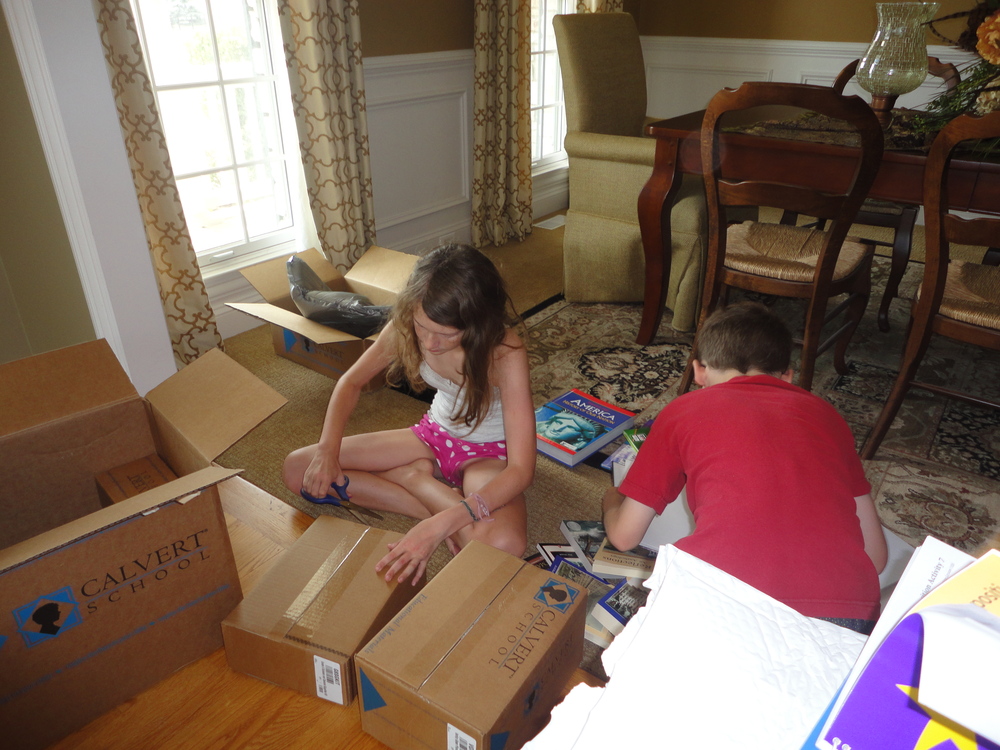
As we read homeschooling experiences of past and present cruisers, Calvert Academy‘s program was frequently mentioned as a high-quality, complete, curriculum-in-a-box. We had several conference calls with Calvert’s educational counselors, teachers who advise parents, answer pedagogical questions and grade student assignments. Besides publishing a homeschool curriculum for decades, Calvert also runs a highly-regarded in-person private school. 

Dsc01155Dsc01173Dsc01165Dsc01171

We were quickly sold on Calvert. Not only do they ship an entire curriculum-in-a-box for each student’s school year, they offer accredidation, an online student community, accessibe advisors and high-quality multimedia and online content. The key for us was that the core curriculum is made up of printed lesson manuals, textbooks, workbooks and tests. This means that we are able to use the multimedia resources when we have internet access but we are not tied to the internet. We can go a week or more without access and lessons can continue uninterrupted.

Besides the core Calvert curriclum, we’ve purchase the Rosetta Stone Spanish Level 1 Home School Edition (Latin America). Madeline is using the Rosetta Stone program to get a head start on next year’s eighth grade Spanish. To reinforce her lessons, we’ll try hard to make it to a Spanish speaking island or two on our trip. The Dominican Repubic or Puerto Rico and the Spanish Virgin Islands would be fantastic cruising grounds and would give both Madeline and Jen a chance to practice their skills.

Dsc01433Dsc01373